
Hormonal Health and Nutrition: Foods That Help Support Estrogen and Testosterone Balance
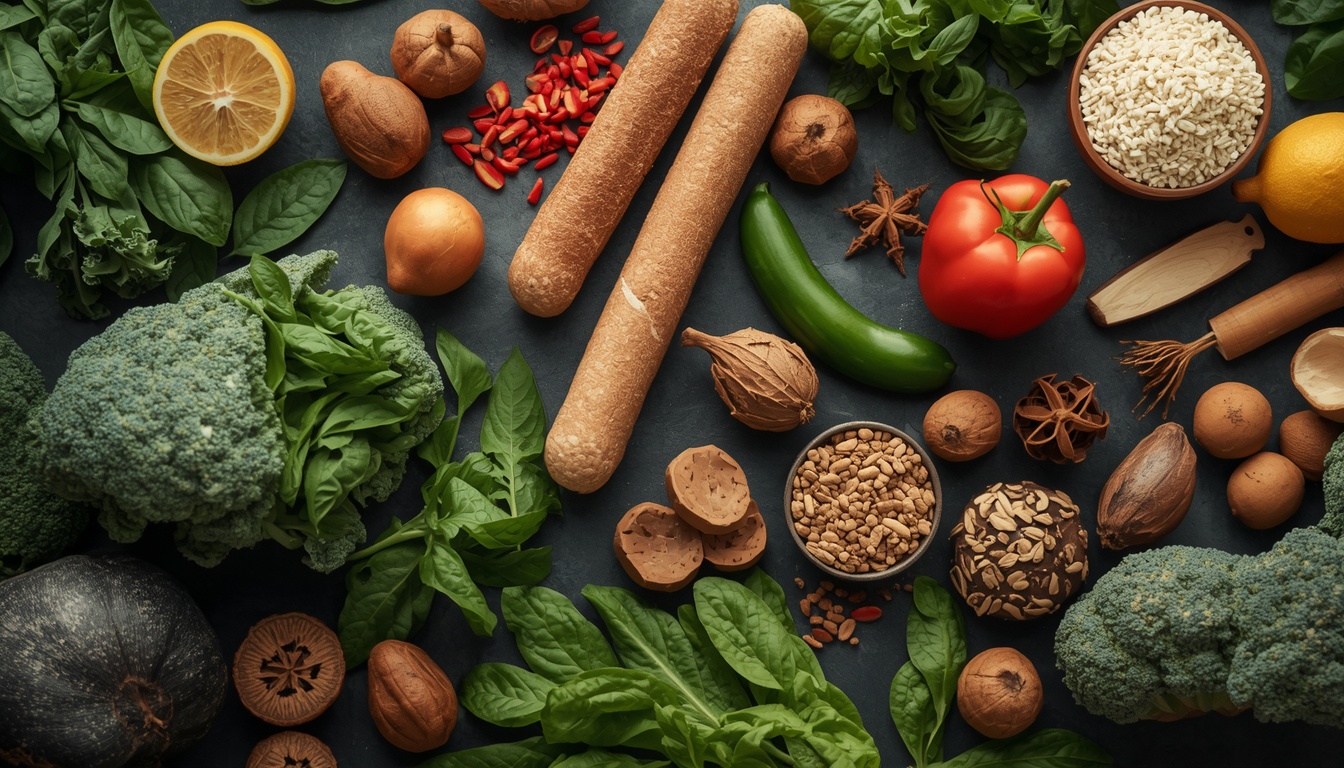
Why Hormonal Balance Influences the Entire Body
Hormones regulate nearly every major system inside the human body. Energy levels, mood, metabolism, sleep quality, reproductive health, muscle growth, fat storage, skin condition, stress response, and even cognitive function are all influenced by hormonal activity.
Among the most important hormones involved in long-term wellbeing are estrogen and testosterone. Although these hormones are often associated mainly with women and men respectively, both are present and necessary in all bodies. The key factor is balance rather than simply having more or less of a specific hormone.
Modern lifestyles increasingly disrupt hormonal stability. Chronic stress, poor sleep, highly processed diets, sedentary behavior, environmental pollutants, and irregular eating patterns may all influence hormone production and regulation.
Nutrition alone cannot “fix” every hormonal problem, especially medical conditions requiring professional treatment. However, consistent dietary habits can significantly support the body’s natural hormonal processes and help reduce some lifestyle-related imbalances.
Understanding Estrogen and Testosterone
Estrogen plays essential roles in reproductive health, bone density, cardiovascular function, skin elasticity, and mood regulation. Testosterone contributes to muscle maintenance, energy levels, libido, bone strength, and metabolic health.
Both hormones naturally fluctuate throughout life. Puberty, pregnancy, aging, stress, menopause, illness, and body composition changes all influence hormonal patterns.
Problems may arise when hormonal imbalance becomes chronic. Low estrogen levels may contribute to fatigue, sleep disturbances, mood changes, and bone loss, while excessive estrogen activity may sometimes be associated with inflammation, menstrual irregularities, or metabolic issues.
Similarly, low testosterone may affect energy, mood, muscle mass, and motivation, while excessively high levels may contribute to acne, aggression, or other health concerns depending on the context.
The body constantly attempts to regulate these hormones through complex interactions involving the brain, liver, digestive system, body fat, and endocrine glands.
Why Nutrition Matters for Hormonal Health
Hormone production depends heavily on nutrient availability. The body requires healthy fats, proteins, vitamins, minerals, and stable energy intake to produce and regulate hormones properly.
Extreme dieting, nutrient deficiencies, chronic overeating, or heavily processed food consumption may interfere with these processes over time.
Blood sugar stability is also important because insulin interacts closely with sex hormones. Frequent blood sugar spikes caused by excessive refined carbohydrates or sugar intake may influence inflammation, fat storage, and hormonal signaling.
Nutrition affects hormonal health not through miracle foods but through long-term dietary patterns that support metabolic balance and reduce physiological stress.
Healthy Fats and Hormone Production
Dietary fat is essential for hormone synthesis. Hormones such as estrogen and testosterone are partially built from cholesterol and other lipid-related compounds, meaning extremely low-fat diets may negatively affect hormonal balance in some individuals.
Healthy fat sources such as avocados, olive oil, nuts, seeds, fatty fish, and eggs provide important nutrients involved in cellular function and hormone regulation.
Omega-3 fatty acids found in salmon, sardines, walnuts, flaxseeds, and chia seeds are especially valuable because they may help reduce chronic inflammation, which is closely connected to hormonal disruption.
Inflammation can interfere with endocrine signaling and may worsen symptoms associated with hormonal imbalance.
Balanced fat intake therefore supports both hormone production and overall metabolic health.
Protein and Hormonal Stability
Protein plays a crucial role in hormone-related processes because amino acids support tissue repair, enzyme production, immune function, and metabolic regulation.
Adequate protein intake may also help stabilize appetite and blood sugar levels, reducing energy crashes that contribute to stress hormone fluctuations.
Lean meats, fish, legumes, dairy products, tofu, lentils, and eggs all provide important amino acids necessary for physiological balance.
Muscle mass itself influences hormonal health, particularly testosterone regulation and insulin sensitivity. Maintaining adequate protein intake alongside physical activity helps preserve muscle tissue and metabolic stability as the body ages.
Fiber and Estrogen Regulation
Fiber is often overlooked in hormonal discussions, yet it plays an important role in digestive health and estrogen metabolism.
The liver processes hormones before they are eliminated through the digestive system. Adequate fiber intake helps support this elimination process by promoting healthy digestion and regular bowel movements.
Without sufficient fiber, certain hormone byproducts may be reabsorbed into circulation instead of removed effectively.
Vegetables, fruits, legumes, oats, seeds, and whole grains all provide fiber that supports gut health and metabolic balance.
Cruciferous vegetables such as broccoli, cauliflower, kale, cabbage, and Brussels sprouts have received particular attention because they contain compounds associated with estrogen metabolism support.
These vegetables are not hormonal “cures,” but they may contribute positively within balanced dietary patterns.
Blood Sugar Balance and Hormonal Function
Blood sugar regulation strongly affects hormonal health because insulin interacts with reproductive hormones and metabolic pathways.
Frequent spikes and crashes in blood sugar may contribute to increased inflammation, fatigue, cravings, and hormonal instability over time.
Meals combining protein, healthy fats, fiber, and complex carbohydrates generally support steadier energy levels than highly refined foods alone.
Processed snacks, sugary drinks, and ultra-refined carbohydrates may increase insulin fluctuations, which can indirectly influence estrogen and testosterone balance.
Stable energy availability helps the body maintain more consistent hormonal signaling throughout the day.
The Gut Microbiome and Hormones
Research increasingly suggests that gut health influences hormonal regulation significantly. The digestive system contains bacteria involved in metabolizing and processing hormones, particularly estrogen.
An imbalanced gut microbiome may contribute to inflammation and inefficient hormone metabolism.
Fermented foods such as yogurt, kefir, kimchi, sauerkraut, and miso provide probiotics that may support microbial diversity and digestive function.
Fiber-rich foods also nourish beneficial bacteria already present inside the gut.
The relationship between digestion and hormones demonstrates how interconnected body systems truly are.
Soy Foods and Hormonal Myths
Soy products are often surrounded by confusion regarding hormonal health because soy contains phytoestrogens—plant compounds capable of weakly interacting with estrogen receptors.
Many people fear soy may disrupt hormones dramatically, but current research generally suggests moderate soy consumption is safe for most healthy individuals and may even provide certain health benefits.
Traditional soy foods such as tofu, tempeh, edamame, and miso also provide protein, minerals, and beneficial plant compounds.
Hormonal health depends far more on overall dietary patterns and lifestyle factors than on isolated ingredients consumed in moderation.
Stress, Cortisol, and Hormonal Disruption
Nutrition alone cannot support hormonal balance if chronic stress remains unmanaged. Stress activates cortisol production, which affects multiple endocrine systems throughout the body.
Persistent stress may interfere with reproductive hormones, sleep quality, appetite regulation, and energy metabolism.
Many people focus exclusively on supplements or dietary changes while ignoring sleep deprivation, emotional stress, and exhaustion that strongly influence hormone function.
Balanced meals help support stress resilience, but adequate rest, movement, and emotional recovery are equally important for endocrine health.
Exercise and Testosterone Support
Physical activity significantly influences hormonal regulation, especially testosterone balance and insulin sensitivity.
Resistance training and regular movement may support healthy testosterone levels while improving metabolic function and body composition.
However, excessive exercise without adequate recovery or nutrition may produce the opposite effect by increasing stress hormones and physical strain.
Hormonal health depends on balance rather than extremes. Moderate, sustainable movement usually supports endocrine function more effectively than severe overtraining.
Why Body Fat Influences Hormones
Body fat itself acts as an active endocrine organ. Fat tissue participates in hormone storage, conversion, and signaling processes.
Both excessive body fat and extremely low body fat percentages may contribute to hormonal disturbances.
For example, very restrictive dieting may lower estrogen and testosterone production because the body interprets chronic energy shortage as physiological stress.
At the same time, excessive visceral fat is associated with inflammation and altered hormone metabolism.
Balanced nutrition and sustainable lifestyle habits therefore support hormonal health more effectively than extreme diets focused only on rapid weight change.
The Problem With Hormone “Hack” Culture
Social media increasingly promotes simplified hormonal advice promising quick fixes through specific foods, supplements, or restrictive eating plans. Many of these claims exaggerate scientific evidence or ignore individual biological complexity.
Hormonal systems are influenced by genetics, age, medical conditions, medications, sleep, stress, movement, environment, and long-term dietary habits simultaneously.
No single food dramatically increases testosterone or “balances estrogen” overnight.
Sustainable health improvements usually come from consistent foundational habits rather than aggressive hormonal “optimization” trends.
Supporting Hormonal Health Through Everyday Habits
Hormonal balance is deeply connected to overall lifestyle quality. Nutrition provides one of the strongest foundations because hormones rely on adequate nutrients, stable energy, digestive health, and reduced inflammation to function properly.
Foods rich in healthy fats, fiber, protein, vitamins, and minerals help support the body’s natural endocrine processes. Stable blood sugar levels, proper hydration, and balanced meals also contribute to metabolic resilience.
At the same time, sleep, stress management, movement, and emotional wellbeing remain equally important parts of hormonal health.
The body functions as an interconnected system, not as isolated hormones working independently. Supporting hormonal balance therefore means supporting the entire body consistently over time rather than searching for instant dietary solutions.
True hormonal wellness is rarely about perfection. It is usually the result of sustainable habits that help the body feel nourished, rested, stable, and resilient in everyday life.
- Advertisement -