
Low Glycemic Recipes: Delicious Meals That Help Control Blood Sugar Naturally
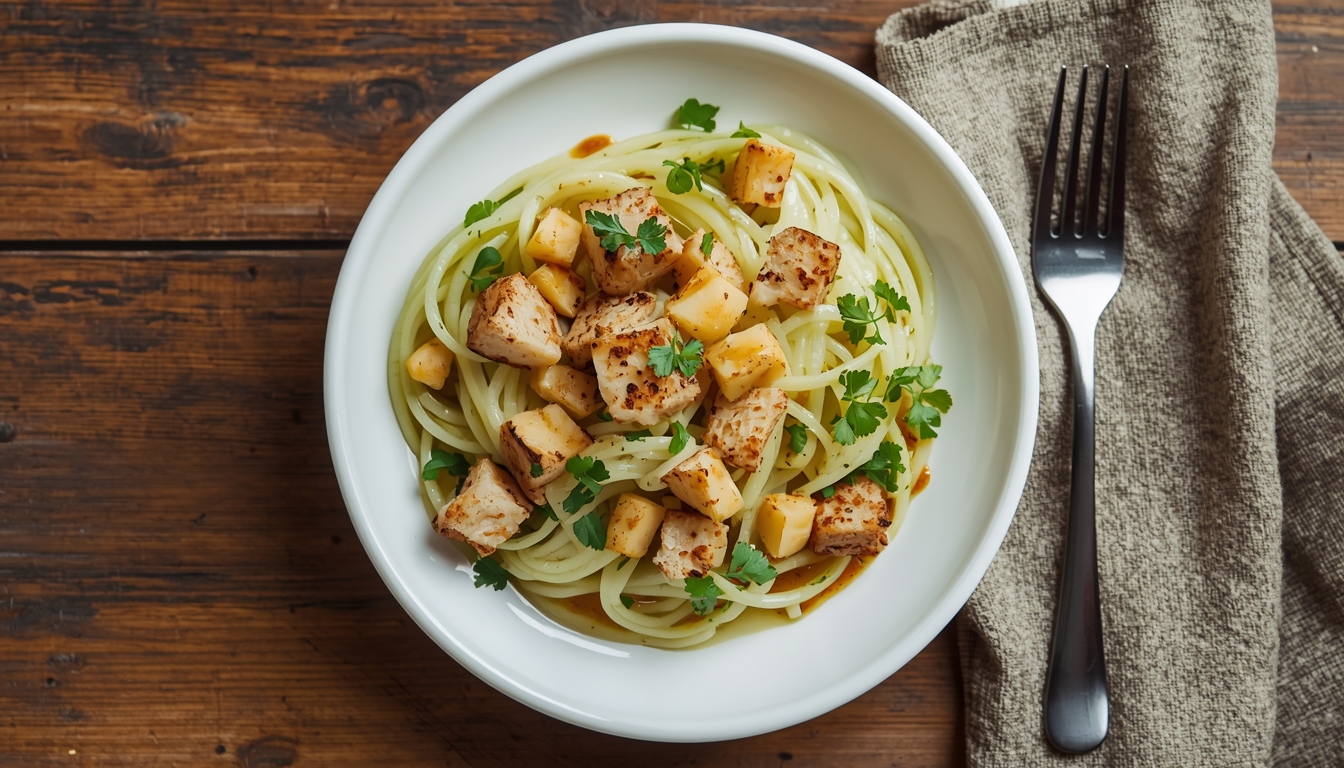
Maintaining stable blood sugar levels is essential not only for people with diabetes but also for anyone seeking sustained energy, better mood balance, and overall health. Low glycemic foods are those that do not cause rapid spikes in blood glucose levels. By incorporating low glycemic recipes into daily meals, it is possible to support metabolic health while enjoying flavorful and satisfying dishes. These meals focus on whole ingredients, balanced nutrients, and slow-digesting carbohydrates that provide lasting energy.
Understanding Low Glycemic Cooking
The glycemic index (GI) measures how quickly foods raise blood sugar levels. Foods with a low glycemic index are digested more slowly, leading to a gradual release of glucose into the bloodstream. This helps prevent sudden energy crashes and reduces stress on the body’s insulin response.
Low glycemic recipes typically include whole grains, lean proteins, healthy fats, and fiber-rich vegetables. Avoiding refined sugars and processed carbohydrates is key. Instead, natural ingredients are combined in a way that enhances both nutrition and taste.
Recipe 1: Quinoa and Roasted Vegetable Bowl
This nourishing dish is rich in fiber, plant-based protein, and healthy fats, making it ideal for stabilizing blood sugar levels.
Ingredients:
- 1 cup quinoa
- 2 cups water
- 1 zucchini, chopped
- 1 bell pepper, sliced
- 1 cup broccoli florets
- 2 tablespoons olive oil
- 1 teaspoon dried herbs (such as thyme or oregano)
- Salt and pepper to taste
Instructions:
Rinse the quinoa thoroughly and cook it in water until tender. While the quinoa cooks, toss the vegetables with olive oil, herbs, salt, and pepper, then roast them in the oven at 200°C (400°F) for about 20 minutes until slightly caramelized. Combine the cooked quinoa with the roasted vegetables and mix gently. This dish can be served warm or at room temperature and provides a balanced combination of nutrients.
Recipe 2: Grilled Chicken with Avocado Salad
This recipe is high in protein and healthy fats, helping to slow down digestion and maintain steady blood sugar levels.
Ingredients:
- 2 chicken breasts
- 1 tablespoon olive oil
- Salt, pepper, and paprika
- 1 avocado, diced
- 1 cucumber, sliced
- 1 cup cherry tomatoes
- Juice of 1 lemon
Instructions:
Season the chicken with olive oil, salt, pepper, and paprika, then grill until fully cooked. In a separate bowl, combine avocado, cucumber, and cherry tomatoes. Drizzle with lemon juice and mix gently. Serve the grilled chicken alongside the fresh salad for a light yet satisfying meal.
Recipe 3: Lentil and Spinach Stew
Lentils are a low glycemic legume packed with protein and fiber, making them an excellent base for a hearty meal.
Ingredients:
- 1 cup lentils
- 3 cups vegetable broth
- 1 small onion, chopped
- 2 cloves garlic, minced
- 2 cups fresh spinach
- 1 tablespoon olive oil
- 1 teaspoon cumin
Instructions:
Heat olive oil in a pot and sauté the onion and garlic until fragrant. Add lentils, vegetable broth, and cumin, then bring to a boil. Reduce heat and simmer until the lentils are tender. Stir in fresh spinach and cook for a few more minutes until wilted. This stew is comforting, filling, and ideal for maintaining stable energy levels.
Recipe 4: Greek Yogurt with Nuts and Berries
This simple recipe works well as a breakfast or snack, combining protein, healthy fats, and natural sweetness.
Ingredients:
- 1 cup plain Greek yogurt
- A handful of mixed berries (blueberries, raspberries)
- 2 tablespoons chopped nuts (almonds or walnuts)
- A drizzle of honey (optional)
Instructions:
Place the yogurt in a bowl and top with berries and nuts. Add a small drizzle of honey if desired, though the natural sweetness of the berries is often sufficient. This dish provides a balanced combination of nutrients and helps prevent blood sugar spikes.
Benefits Beyond Blood Sugar Control
Low glycemic meals are not only beneficial for managing glucose levels but also support overall wellness. They help maintain consistent energy throughout the day, reduce cravings, and support weight management. Additionally, these recipes often include nutrient-dense ingredients that contribute to heart health, digestion, and immune function.
Conclusion
Incorporating low glycemic recipes into your daily routine is a practical and enjoyable way to support long-term health. By focusing on whole ingredients, balanced nutrients, and mindful preparation, it is possible to create meals that are both delicious and beneficial. Whether you are managing blood sugar levels or simply looking to improve your diet, these recipes offer a sustainable approach to healthy eating without sacrificing flavor.
- Advertisement -