
HRV Explained: How to Measure Stress and Optimize Recovery with Science-Backed Precision
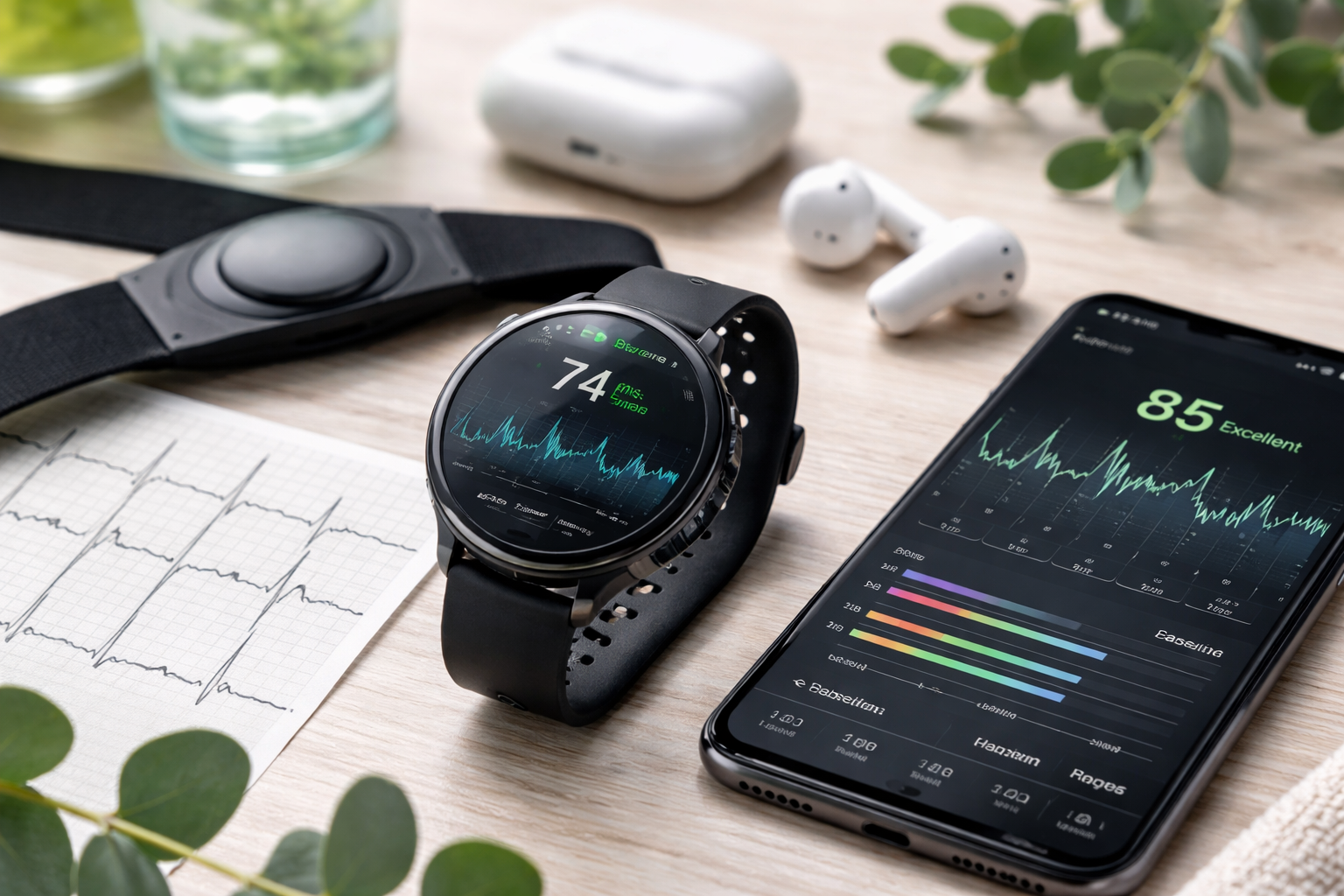
In the world of modern wellness, tracking your steps or counting calories is no longer enough. A growing number of health experts and high performers are turning to a more advanced metric: HRV, or Heart Rate Variability. Unlike heart rate alone, HRV provides a deeper look into how your body responds to stress, recovers, and adapts over time.
What Is HRV and Why Does It Matter?
Heart Rate Variability refers to the variation in time between consecutive heartbeats. While your heart may seem to beat at a steady rhythm, the intervals between beats constantly change. This variability is controlled by your autonomic nervous system, which includes two key branches:
- The sympathetic nervous system (fight or flight)
- The parasympathetic nervous system (rest and recovery)
A higher HRV generally indicates that your body is adaptable, resilient, and well-recovered. A lower HRV suggests stress, fatigue, or insufficient recovery.
HRV vs Heart Rate: What’s the Difference?
It’s easy to confuse HRV with heart rate, but they measure different things. Your heart rate tells you how many times your heart beats per minute. HRV, on the other hand, measures the variation between those beats.
For example, a heart rate of 60 bpm doesn’t mean your heart beats exactly once every second. The intervals might vary slightly—this is what HRV captures. That variation is a sign of a flexible and responsive nervous system.
How HRV Reflects Stress
HRV is one of the most accurate non-invasive ways to assess stress levels. When you’re under stress—whether physical (intense workouts), emotional (anxiety), or environmental (poor sleep, travel)—your sympathetic nervous system becomes dominant. This reduces HRV.
On the flip side, when you’re relaxed and well-recovered, your parasympathetic system is more active, increasing HRV.
This makes HRV a powerful daily signal for understanding how your body is coping with life.
How to Measure HRV
Today, measuring HRV is easier than ever thanks to wearable technology. Devices like smartwatches, chest straps, and even smartphone apps can track HRV with reasonable accuracy.
The most common methods include:
- Morning measurements: Taken right after waking up, before caffeine or movement
- Night tracking: Continuous monitoring during sleep
- Spot checks: Short, guided breathing sessions using apps
Consistency is key. It’s more important to measure HRV at the same time every day than to chase perfect numbers.
What Is a “Good” HRV?
There is no universal “good” HRV score. It varies widely depending on age, fitness level, and genetics. Instead of comparing yourself to others, focus on your personal baseline.
Track your HRV over time and look for patterns:
- Is it trending upward?
- Does it drop after poor sleep or stress?
- Does it improve with rest or mindfulness practices?
Your own data tells a much more meaningful story than any generic benchmark.
Using HRV to Optimize Recovery
One of the biggest advantages of HRV is its ability to guide daily decisions. Instead of guessing whether you should push hard or take it easy, HRV gives you real feedback.
If your HRV is high:
- Your body is ready for challenge
- Good day for intense workouts or demanding tasks
If your HRV is low:
- Your system is under stress
- Focus on recovery, light movement, or rest
This approach helps prevent burnout, overtraining, and chronic fatigue.
How to Improve HRV
Improving HRV isn’t about quick hacks—it’s about supporting your nervous system consistently. The following strategies are proven to help:
1. Prioritize sleep
Deep, high-quality sleep is one of the strongest drivers of HRV. Aim for consistent sleep and wake times.
2. Manage stress actively
Breathing exercises, meditation, and time in nature can shift your body into recovery mode.
3. Train smart, not just hard
Balance high-intensity workouts with rest days and low-intensity movement.
4. Support your body with nutrition
Stable blood sugar, hydration, and nutrient-dense food all contribute to better recovery.
5. Limit alcohol and overstimulation
Alcohol, excessive caffeine, and late-night screen time can significantly reduce HRV.
HRV as a Long-Term Wellness Tool
HRV is not just a fitness metric—it’s a window into your overall health. Over time, consistently low HRV may signal deeper issues like chronic stress, poor recovery habits, or lifestyle imbalances.
On the other hand, improving HRV is often linked to better mental clarity, emotional stability, and physical performance.
The Bottom Line
HRV brings a new level of precision to wellness. Instead of relying on guesswork, you can understand your body’s signals in real time and adjust accordingly.
In a world that constantly pushes for more productivity and performance, HRV offers something different: a way to listen, adapt, and recover smarter.
- Advertisement -