
Balanced Plate Recipes: How to Combine Proteins, Fats, and Carbohydrates in One Smart Portion
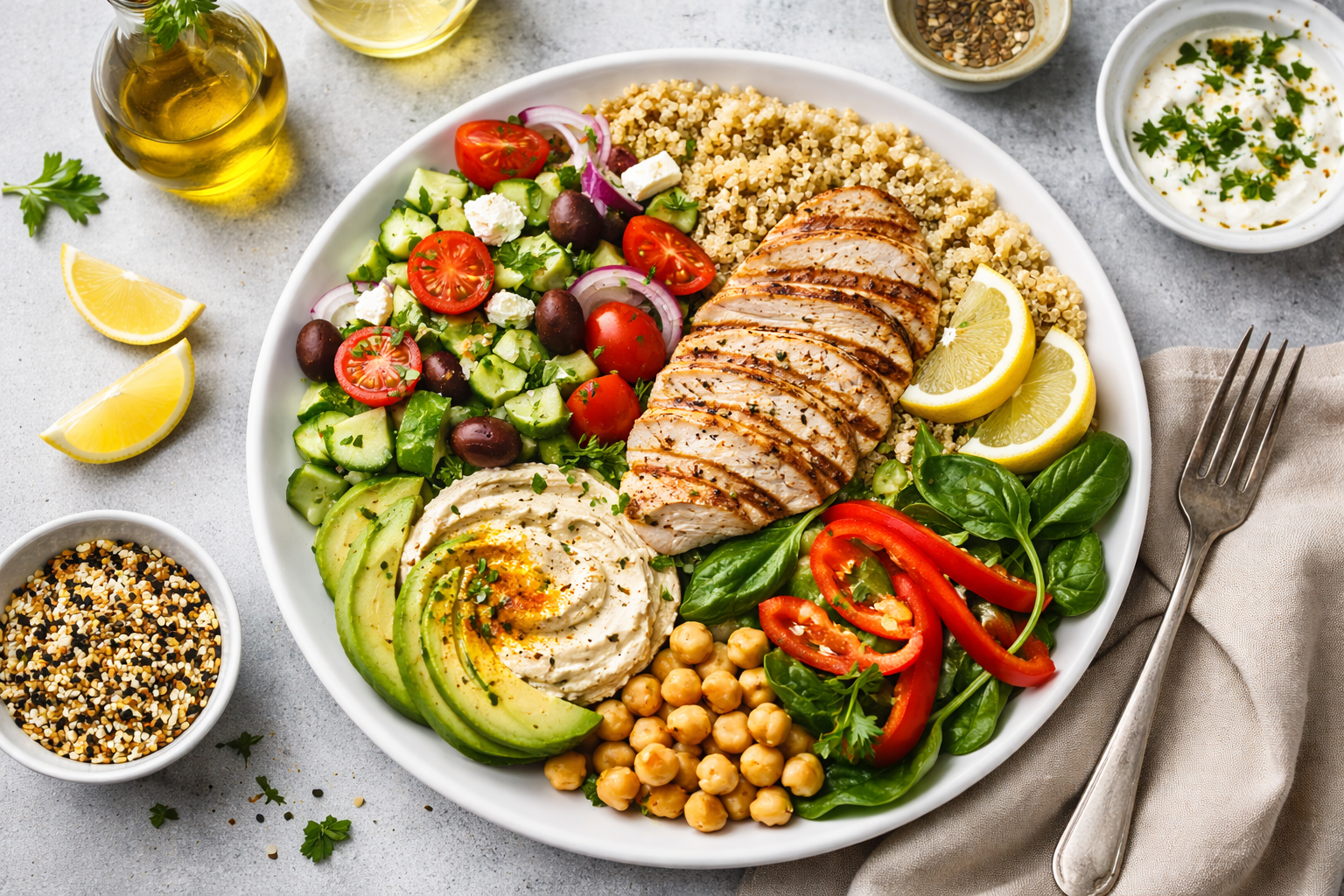
Creating a balanced plate is not about strict dieting or eliminating entire food groups. It is about understanding how proteins, fats, and carbohydrates work together to support energy, metabolism, hormone balance, and long-term health. When combined thoughtfully in one portion, these macronutrients help stabilize blood sugar, prolong satiety, and provide steady fuel for both body and brain.
A nutritionally balanced plate follows a simple logic:
- Carbohydrates provide energy
- Proteins support repair and muscle maintenance
- Fats regulate hormones and improve nutrient absorption
When these three components appear together in appropriate proportions, meals become more satisfying and metabolically efficient.
The Nutritional Logic Behind a Balanced Plate
1. Carbohydrates: The Primary Energy Source
Carbohydrates are often misunderstood. Whole, minimally processed carbohydrates such as grains, legumes, fruits, and vegetables are essential for energy production. They supply glucose, which fuels cells and especially the brain.
However, carbohydrates alone can cause rapid blood sugar spikes. That is why pairing them with protein and fat slows digestion and moderates glucose release.
Best carbohydrate sources:
- Brown rice, quinoa, buckwheat
- Sweet potatoes
- Lentils and beans
- Whole-grain pasta
- Fruits and non-starchy vegetables
2. Proteins: Structure and Stability
Protein provides amino acids, the building blocks of muscles, enzymes, immune cells, and tissues. Including adequate protein in each meal supports satiety and helps prevent overeating later.
Protein also slows carbohydrate absorption, reducing sudden energy crashes.
Quality protein options:
- Chicken, turkey
- Fish and seafood
- Eggs
- Greek yogurt
- Tofu, tempeh
- Legumes
A balanced plate typically includes a palm-sized portion of protein.
3. Fats: Essential and Functional
Healthy fats are critical for hormone production, brain health, and the absorption of fat-soluble vitamins (A, D, E, K). They also enhance flavor and prolong fullness.
When fats are included in moderate amounts, they improve meal satisfaction without overwhelming caloric intake.
Healthy fat sources:
- Olive oil
- Avocado
- Nuts and seeds
- Fatty fish (salmon, mackerel)
- Tahini
A thumb-sized portion or a drizzle of oil is often sufficient.
The Ideal Plate Structure
A practical visual approach is:
- ½ plate vegetables (fiber + micronutrients)
- ¼ plate protein
- ¼ plate complex carbohydrates
- Add a moderate portion of healthy fats**
This structure works for most people, though individual needs may vary based on activity level, age, and health conditions.
Balanced Plate Recipe Examples
Below are practical meal examples that demonstrate how macronutrients can work together harmoniously.
1. Mediterranean Chicken Quinoa Bowl
Carbohydrates: Quinoa
Protein: Grilled chicken breast
Fats: Olive oil + olives
Fiber & Micronutrients: Cherry tomatoes, cucumber, spinach
How it works nutritionally:
Quinoa provides complex carbohydrates and additional protein. Chicken stabilizes blood sugar response. Olive oil enhances satiety and supports cardiovascular health. Vegetables add fiber, slowing digestion and improving gut health.
2. Salmon & Sweet Potato Power Plate
Carbohydrates: Roasted sweet potatoes
Protein + Healthy Fats: Baked salmon
Additional Fats: Sprinkle of pumpkin seeds
Vegetables: Steamed broccoli and leafy greens
Nutritional logic:
Sweet potatoes supply slow-digesting carbohydrates rich in beta-carotene. Salmon provides high-quality protein and omega-3 fatty acids that support heart and brain health. The combination prevents rapid glucose spikes and promotes long-lasting energy.
3. Vegetarian Lentil Buddha Bowl
Carbohydrates: Brown rice
Protein: Lentils
Fats: Tahini dressing
Vegetables: Roasted carrots, zucchini, red cabbage
Why it works:
Lentils offer both protein and complex carbohydrates, creating a double benefit. Brown rice provides steady energy, while tahini contributes healthy fats that improve mineral absorption from plant foods.
4. Balanced Breakfast Plate
Carbohydrates: Oatmeal
Protein: Greek yogurt
Fats: Almond butter
Extras: Berries and chia seeds
Nutritional balance:
Oats provide soluble fiber for digestive support. Greek yogurt adds protein to stabilize morning energy levels. Almond butter slows digestion and enhances fullness. This combination prevents mid-morning crashes.
5. Quick Balanced Dinner: Turkey & Avocado Wrap
Carbohydrates: Whole-grain wrap
Protein: Sliced turkey
Fats: Avocado
Vegetables: Lettuce, tomato, shredded carrots
This meal is practical yet nutritionally complete. Whole grains deliver sustained energy, turkey provides lean protein, and avocado contributes healthy fats that support satiety and nutrient absorption.
Portion Awareness and Flexibility
Balance does not require rigid measuring. Instead, focus on proportion and variety. Active individuals may increase carbohydrate portions, while those aiming for weight management may emphasize vegetables and protein.
The goal is metabolic harmony, not restriction.
Why Balanced Plates Matter Long-Term
Consistently combining proteins, fats, and carbohydrates in one portion supports:
- Stable blood sugar levels
- Improved appetite control
- Sustained energy throughout the day
- Better nutrient absorption
- Reduced cravings
Rather than labeling foods as “good” or “bad,” balanced plates encourage intelligent combinations. The synergy between macronutrients is what transforms a simple meal into a supportive, nourishing experience.
Understanding this nutritional logic empowers you to build meals intuitively. When each plate contains thoughtful proportions of carbohydrates, proteins, and fats, food becomes not just fuel—but a structured, balanced system that works with your body rather than against it.
- Advertisement -