
Homemade Snacks That Love You Back — Healthy Alternatives to Chips and Cookies
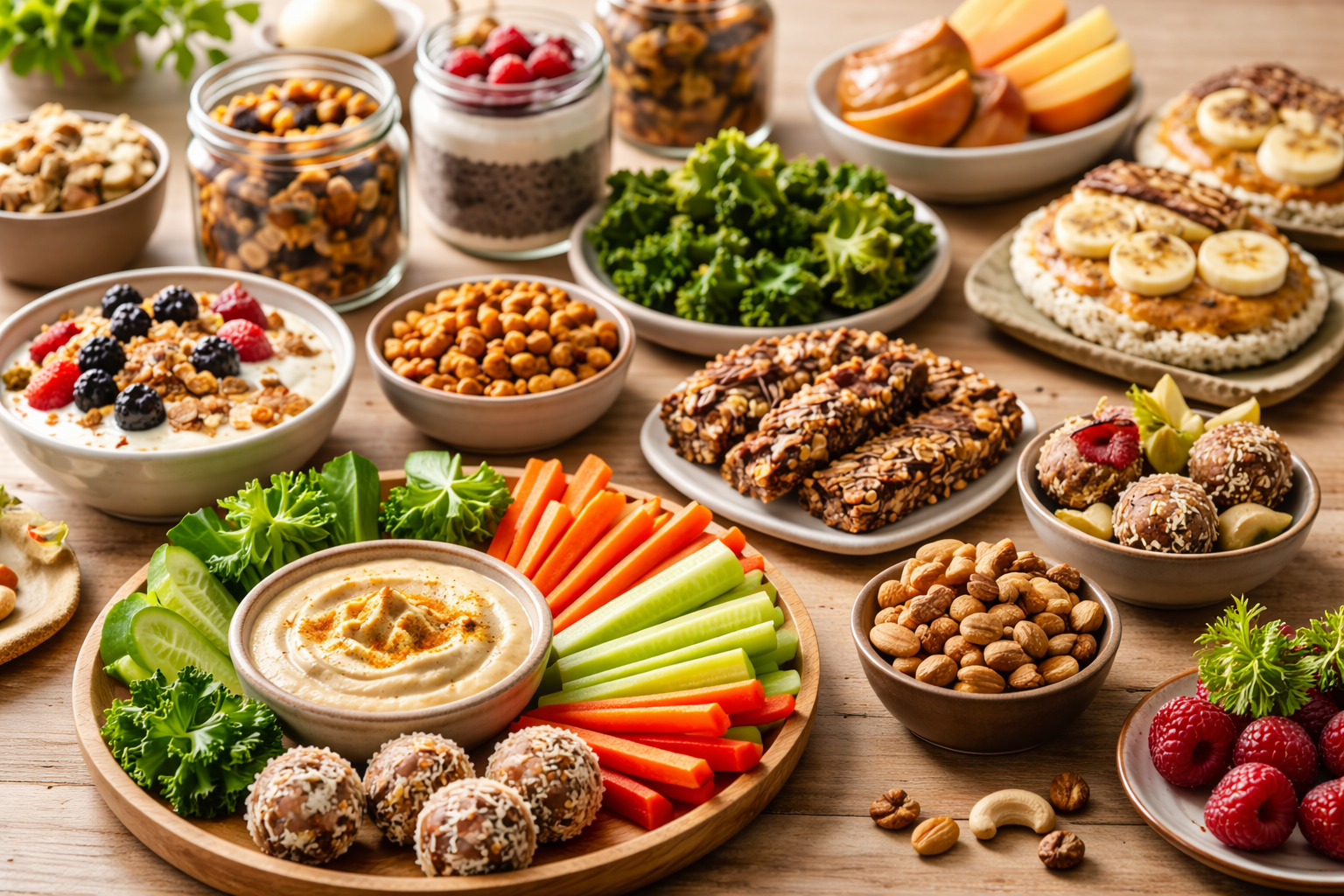
Snacking has become an inseparable part of modern life. Long workdays, studying, commuting, and family routines often leave little time for full meals, making snacks an easy solution. Unfortunately, the most accessible options are usually ultra-processed chips, cookies, and sugary bars that offer quick pleasure but little nourishment. Homemade snacks provide a powerful alternative, transforming snacking from a guilty habit into a supportive part of a healthy lifestyle.
Why Store-Bought Snacks Fail Our Bodies
Commercial snacks are designed for shelf life, not human health. They often contain refined flours, excess salt, added sugars, and artificial flavor enhancers that stimulate appetite rather than satisfy it. These ingredients can cause rapid blood sugar spikes followed by crashes, leading to fatigue, irritability, and constant cravings.
Another issue is the lack of nutritional balance. Many packaged snacks are high in calories but low in fiber, protein, and micronutrients. This combination leaves the body undernourished even after eating, encouraging overeating later in the day. Over time, habitual reliance on such snacks can disrupt metabolism and energy levels.
The Philosophy Behind Healthy Homemade Snacks
Healthy snacking is not about restriction or perfection. It is about choosing foods that provide steady energy, support digestion, and feel satisfying both physically and mentally. Homemade snacks allow full control over ingredients, textures, and flavors, making it easier to adapt to personal preferences and dietary needs.
When snacks are prepared at home, they can be built around whole foods such as vegetables, fruits, nuts, seeds, whole grains, and natural fats. These ingredients digest more slowly, stabilize blood sugar, and deliver essential nutrients that processed snacks often lack.
Crunch Without the Guilt
One of the main reasons people reach for chips is texture. Crunch is deeply satisfying, and healthy snacks can deliver it without relying on deep frying. Oven-baked vegetables, lightly roasted nuts, and toasted seeds offer the same sensory pleasure while providing fiber, healthy fats, and minerals.
Thinly sliced vegetables become especially appealing when baked until crisp. Natural starches caramelize slightly, creating rich flavor without artificial additives. The result is a snack that feels indulgent but supports long-term well-being.
Sweet Snacks That Nourish
Cookies and pastries dominate the sweet snack category, yet they are often loaded with refined sugar and low-quality fats. Homemade sweet snacks can shift the focus from sugar to natural sweetness and texture. Fruits, dried fruits, nut butters, oats, and cocoa can combine into snacks that feel comforting while offering real nutritional value.
Natural sweetness paired with fiber slows sugar absorption, preventing energy crashes. These snacks satisfy cravings without creating dependence, making them ideal for both adults and children.
Protein and Fiber: The Satiety Duo
The most satisfying snacks usually include a balance of protein and fiber. Protein supports muscle maintenance and keeps hunger at bay, while fiber promotes digestion and fullness. Homemade snacks can easily include both, turning a small bite into sustained energy.
Legume-based snacks, yogurt-based options, and nut-forward combinations provide this balance naturally. When snacks contain enough protein and fiber, they reduce the urge to graze continuously throughout the day.
Snacking as a Ritual, Not a Reflex
Healthy snacking also involves awareness. Instead of eating mindlessly from a bag, homemade snacks invite intention. Preparing them, storing them, and serving them in small portions creates a pause that helps reconnect hunger cues with eating behavior.
This ritual approach transforms snacks from a stress response into a form of self-care. Even a simple snack becomes an opportunity to check in with the body and choose nourishment over habit.
Supporting Children and Families
For families, homemade snacks play an important educational role. Children who grow up with balanced snacks learn that food can be both enjoyable and nourishing. They become familiar with real textures and flavors rather than overly engineered tastes.
Preparing snacks together also strengthens positive relationships with food. It shifts the narrative away from “forbidden treats” toward mindful enjoyment and balance.
Sustainability and Long-Term Benefits
Beyond health, homemade snacks often generate less packaging waste and rely on fewer industrial processes. Buying ingredients in bulk and reusing containers supports a more sustainable lifestyle while reducing dependence on single-use plastics.
Over time, the cumulative effect of healthier snacking can be profound. Improved energy levels, better digestion, fewer cravings, and more stable moods all stem from small daily choices.
Redefining What a Snack Can Be
Snacks do not have to be empty calories or a nutritional compromise. When made thoughtfully, they become a bridge between meals that supports both physical health and emotional well-being. Homemade snacks prove that convenience and nourishment do not have to be opposites.
By replacing chips and cookies with balanced, flavorful alternatives, snacking transforms into a positive habit that aligns pleasure with care. In this way, each bite becomes a quiet investment in long-term health rather than a momentary escape.
- Advertisement -