
Superfoods vs Everyday Foods: What Really Improves Health?
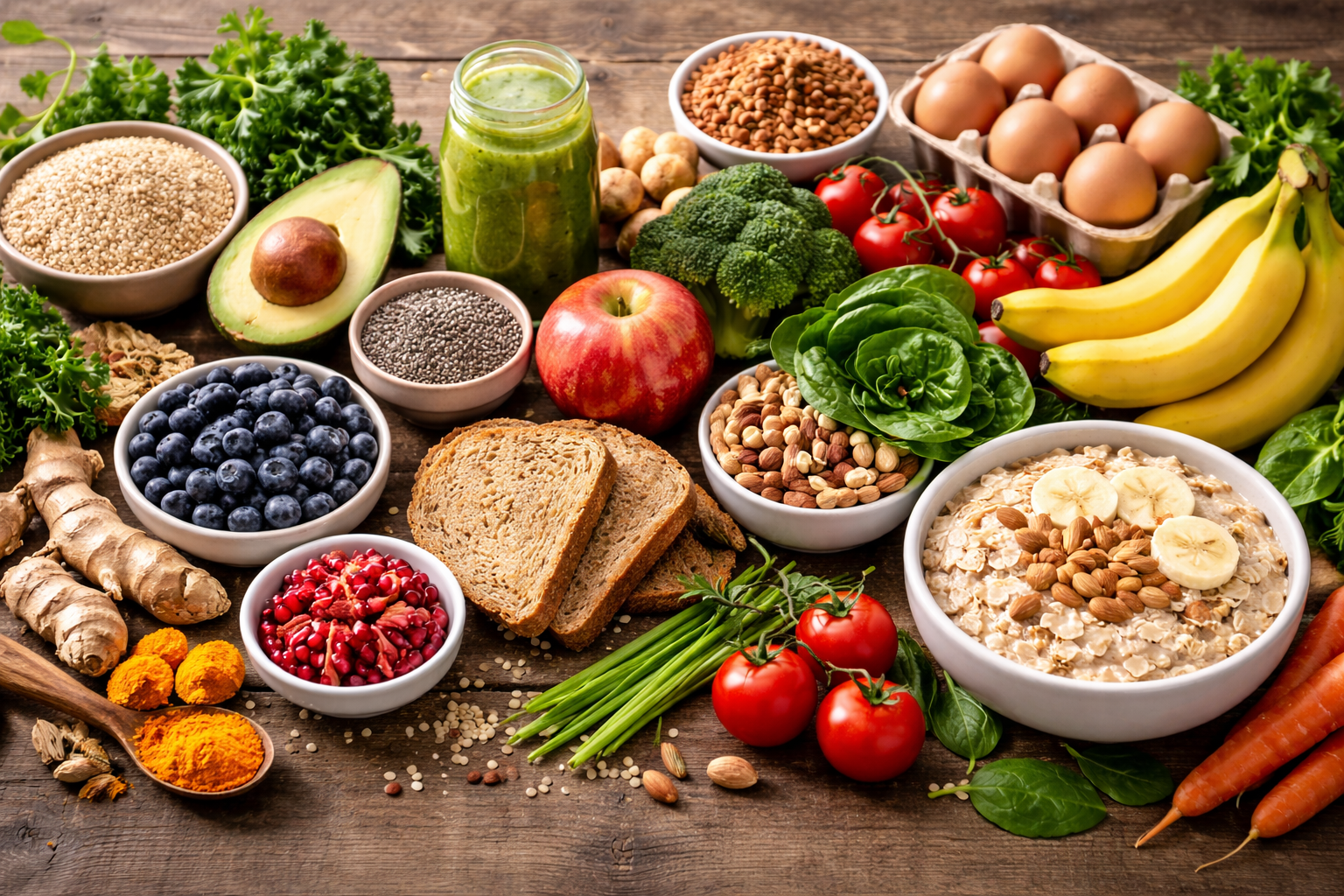
In recent years, the word “superfood” has become a powerful force in the world of health and wellness. It appears on packaging, social media, and menus, often attached to exotic ingredients that promise extraordinary benefits. Berries from remote regions, seeds with ancient origins, and powders in vibrant colors are marketed as shortcuts to better health. The appeal is understandable, as modern life encourages quick solutions and visible results. However, the question remains whether these foods truly outperform the familiar products already present in most kitchens.
The concept of superfoods is largely a marketing creation rather than a scientific category. While many of these foods are undeniably nutritious, their health impact is often exaggerated when taken out of context. Nutrition does not work in isolation, and no single ingredient can compensate for an unbalanced diet or unhealthy lifestyle.
Everyday Foods and Their Quiet Nutritional Power
Common foods such as oats, eggs, lentils, apples, carrots, and leafy greens rarely receive the same attention as trendy superfoods, yet they form the foundation of long-term health. These everyday staples are rich in essential nutrients, fiber, and compounds that support digestion, heart health, and immune function. Unlike many imported superfoods, they are often fresher, more affordable, and easier to include consistently in daily meals.
What makes everyday foods particularly valuable is their reliability. They provide steady nourishment rather than dramatic promises. Whole grains help regulate blood sugar, legumes support gut health, and vegetables supply a wide spectrum of vitamins and minerals. Their benefits accumulate gradually, which aligns more closely with how the body actually improves and maintains health.
Nutrient Density Versus Dietary Balance
Superfoods are frequently praised for being nutrient-dense, meaning they contain high levels of certain vitamins or antioxidants. However, nutrient density alone does not define a healthy diet. The body requires a wide range of nutrients working together, and balance matters more than concentration. Eating a variety of familiar foods ensures this balance far more effectively than focusing on a few celebrated ingredients.
Everyday foods often complement each other naturally. Combining vegetables, proteins, healthy fats, and carbohydrates creates meals that support energy levels, hormonal balance, and mental clarity. In contrast, adding a small amount of a trendy superfood to an otherwise poor diet rarely produces meaningful change.
Accessibility, Consistency, and Real Health Outcomes
One of the most overlooked aspects of nutrition is consistency. Foods that are easy to access and enjoy regularly have a far greater impact on health than rare or expensive ingredients consumed occasionally. Everyday foods fit naturally into routines, making it easier to build sustainable habits. This consistency supports stable digestion, weight management, and overall well-being.
Superfoods can certainly have a place in a healthy diet, especially when they replace less nutritious options. The issue arises when they are viewed as essential or superior rather than complementary. Health improvements are more strongly linked to long-term patterns than to individual foods, no matter how impressive their reputation.
Rethinking What Truly Improves Health
The comparison between superfoods and everyday foods reveals a simple truth: health is built through regular, balanced nourishment rather than nutritional extremes. Trendy ingredients may add variety and enjoyment, but they are not a requirement for feeling better or living longer. Ordinary foods, eaten mindfully and consistently, deliver the foundation the body needs to function optimally.
By shifting focus away from labels and toward overall dietary quality, people can make more confident and realistic choices. True health improvement comes not from chasing the latest superfood, but from respecting the power of simple, familiar foods that have supported human health for generations.
- Advertisement -